Neighbourhoods · 5 min read
Arashiyama, Kyoto: How to Visit Beyond the Bamboo Grove
How to plan a day in Arashiyama: beating the bamboo grove crowds, Tenryu-ji, the monkey park, the quieter Sagano temples, and which train to take.
By Todokyoto · Updated October 15, 2026
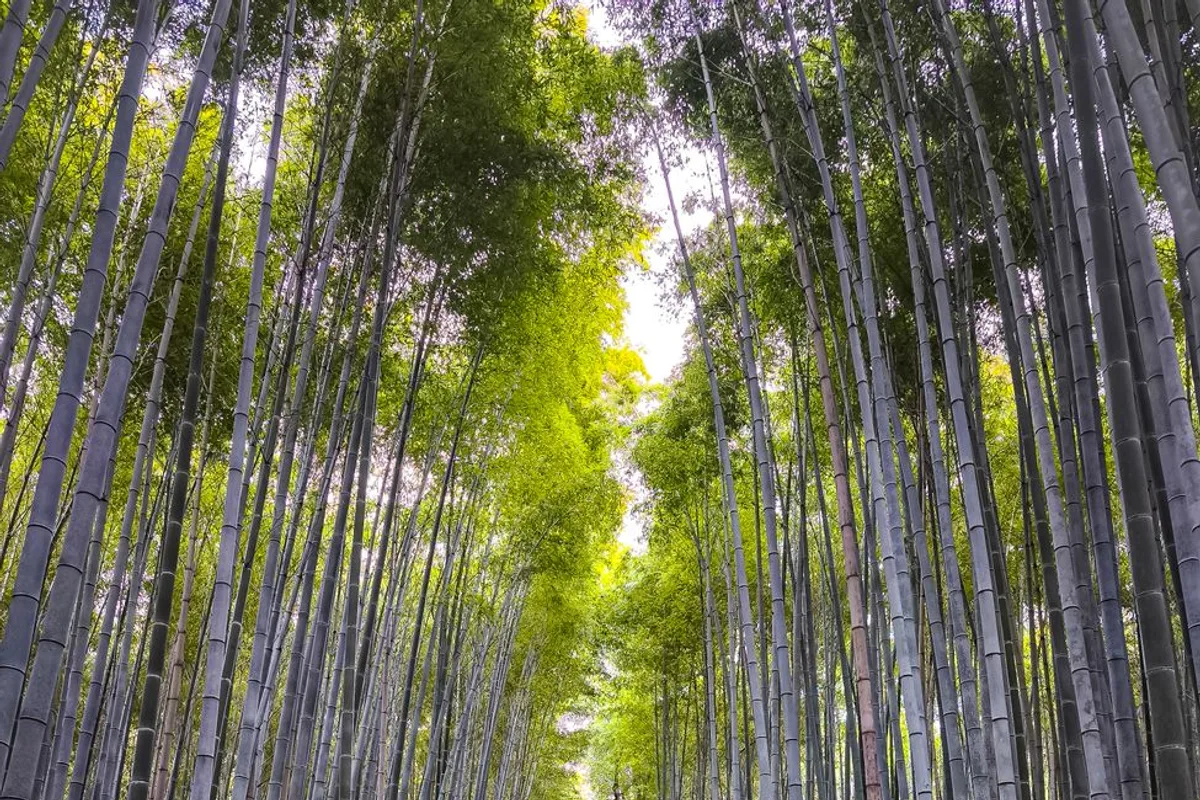
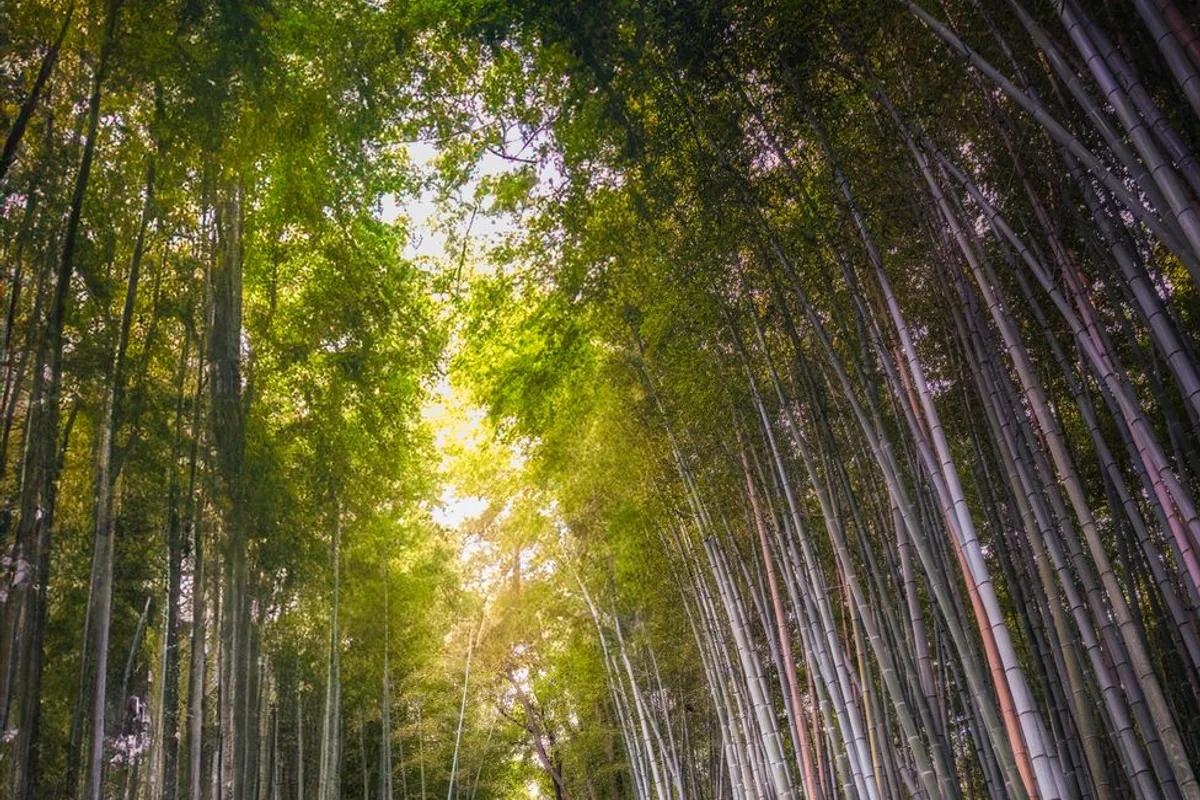
The bamboo grove is the reason most people come to Arashiyama, and it is about a five-minute walk. Treat it as the whole trip and you'll likely come away disappointed: crowded, rushed, and back on a train within the hour. Arashiyama works far better as a half or full day built around the bamboo grove, with Tenryu-ji, the river, the monkey park, and the quieter Sagano temples to the north filling the rest of it.
When to Go
The grove is free and open 24 hours, and timing matters more here than almost anywhere else in Kyoto. Most accounts put the quiet window between sunrise and about 8:00am, before tour groups arrive; from mid-morning to mid-afternoon the path is at its busiest, particularly at weekends and during cherry blossom and autumn foliage weeks. Late afternoon, once the tour buses leave, is a second, smaller window, though the path isn't lit after dark. Weekdays are consistently quieter than weekends.
An early start also lines up with everything else: Tenryu-ji opens at 8:30am, so a 7:30 arrival at the grove leads naturally into the temple as it opens, ahead of the main crowd.
Getting There
Three rail lines serve Arashiyama, and which one makes sense depends on where you're starting:
- JR Sagano (San-in) Line from Kyoto Station to Saga-Arashiyama Station. This is the most direct option from the station area, about a 10-minute walk from the grove.
- Keifuku (Randen) Arashiyama Line from Shijo-Omiya to Arashiyama Station, which puts you on the main street near Tenryu-ji.
- Hankyu Arashiyama Line, a short branch reached by changing at Katsura on the Hankyu Main Line from central Kyoto. Hankyu Arashiyama Station sits on the south side of the river, a walk across the Togetsukyo Bridge from the main sights and close to the monkey park.
Roads into Arashiyama congest heavily on busy weekends and in peak seasons, with tour buses and cars sharing narrow approaches, so rail is usually the more reliable choice. See Getting Around Kyoto for passes and fares.
Tenryu-ji
Tenryu-ji is a Zen temple next to the grove and part of the Historic Monuments of Ancient Kyoto UNESCO World Heritage listing. Its garden, centred on a pond set against the hills behind, is the main reason to go. The temple's official site lists hours of 8:30am to 5:00pm (last entry 4:50pm), garden admission of ¥500 for adults, and an additional ¥300 to enter the buildings; the Cloud Dragon painting in the Dharma Hall is a separate ticket. Tickets are sold at the garden entrance, the main building, and a north gate entrance. The north gate opens toward the bamboo grove path, so the two connect without retracing your steps. The temple occasionally closes for ceremonies, so check its calendar before building a day around it.
The Bamboo Grove and Okochi Sanso
The grove path itself is short. Stay on it. The bamboo is fenced off from the path, and stopping in the middle of a narrow, crowded walkway for a photo holds up everyone behind you. At the top of the path is Okochi Sanso, the former villa and garden of a 20th-century film actor, with hillside views back over Kyoto. Recent listings put admission at around ¥1,000, including a bowl of matcha and a sweet at the end of the visit; it draws a fraction of the grove's crowd and is the easiest way to see the area without people in every view.
Across the River: Iwatayama Monkey Park
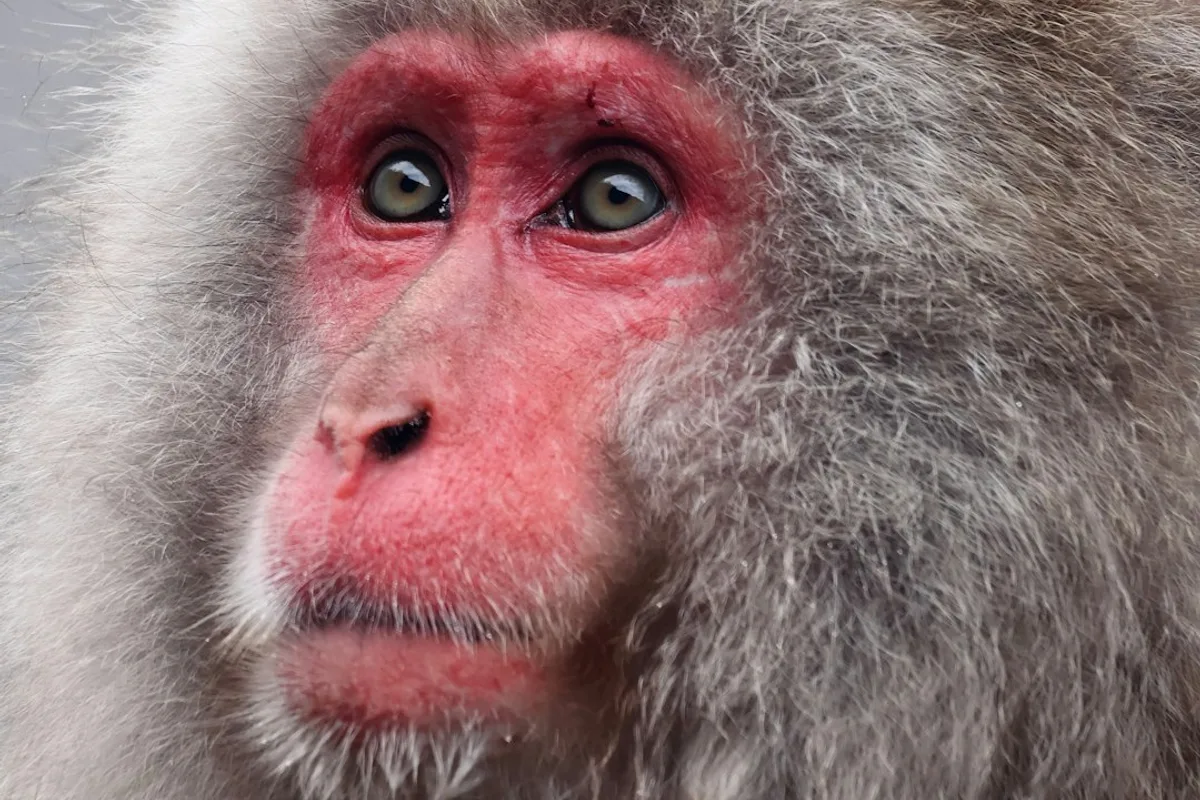
Cross the Togetsukyo Bridge to the south bank for Iwatayama Monkey Park, home to wild Japanese macaques. The climb to the summit clearing takes 15–20 minutes on an uphill dirt path, so wear proper shoes. The reward is the monkeys plus a wide view over the city. Food goes to the monkeys only from inside the feeding hut; outside it, don't touch them or hold prolonged eye contact, per the park's posted rules.
The entry fee is a few hundred yen, but published figures currently disagree, so check the park's own site (monkeypark.jp) for the current price. Opening hours generally run from 9:00am to around 4:00–4:30pm depending on season, and the park can close in bad weather, which is the most common reason a planned visit falls through.
Walk North: The Sagano Temples
North of the grove, the streets quieten quickly. A 20–30 minute walk through the Sagano area reaches a cluster of smaller temples that see a fraction of the grove's visitors: Jojakko-ji, on a mossy hillside (admission is listed between ¥300 and ¥400 depending on the source); Nison-in (around ¥500); and further on, Adashino Nenbutsu-ji (around ¥500, last entry 4:30pm), known for thousands of small stone Buddhas and memorial stones. These are the best answer to "Arashiyama without the crush", but they sit among homes, not a tourist strip, so keep noise down and don't photograph people or private property.
Scenic Extras: Sagano Romantic Train and the Hozugawa River Boat
Two seasonal add-ons are worth knowing about, though neither is essential:
- Sagano Romantic Train: a sightseeing train along the Hozu gorge between Arashiyama and Kameoka. It generally runs from March to late December and has historically skipped most Wednesdays outside peak periods; seats are reserved and sell out on weekends and in foliage season, so book ahead. A one-way adult fare has been listed at ¥880.
- Hozugawa River Boat Ride: a roughly two-hour boat trip down the river from Kameoka back to Arashiyama, often paired with the train in the other direction. Third-party listings put the adult fare at around ¥6,000; confirm on the operator's site.
How Long to Allow
- Half a day: bamboo grove early, Tenryu-ji, a walk along the river and over the Togetsukyo Bridge.
- A full day: add the monkey park and the Sagano temples, or the train-and-boat round trip.
Arashiyama is known for yudofu (simmered tofu), and the streets around Tenryu-ji have several restaurants serving it; lunch fills quickly at peak times, so eat early or late. For more on Kyoto's tofu traditions, see the Kyoto food guide.
Practical Notes
- Carry some cash: smaller temples and attractions don't always take cards.
- In summer, do the uphill parts (monkey park, Sagano) early, before the worst of the heat and humidity.
- During cherry blossom and autumn foliage weeks, expect the busiest conditions of the year: arrive at opening time or accept the crowds.
- Rubbish bins are scarce, as everywhere in Kyoto. Carry your rubbish with you.
Build Your Itinerary
Build a day-by-day Kyoto itinerary filtered by pace, focus and neighbourhood, covering landmarks, museums, food and nightlife.