Practical · 2 min read
Where to Stay in Kyoto: Best Neighbourhoods for Tourists
Where to stay in Kyoto by what you want from your trip: downtown for transit, Higashiyama or Gion for atmosphere, Pontocho for nightlife.
By Todokyoto · Updated September 16, 2026
Downtown Kyoto: The Practical Base
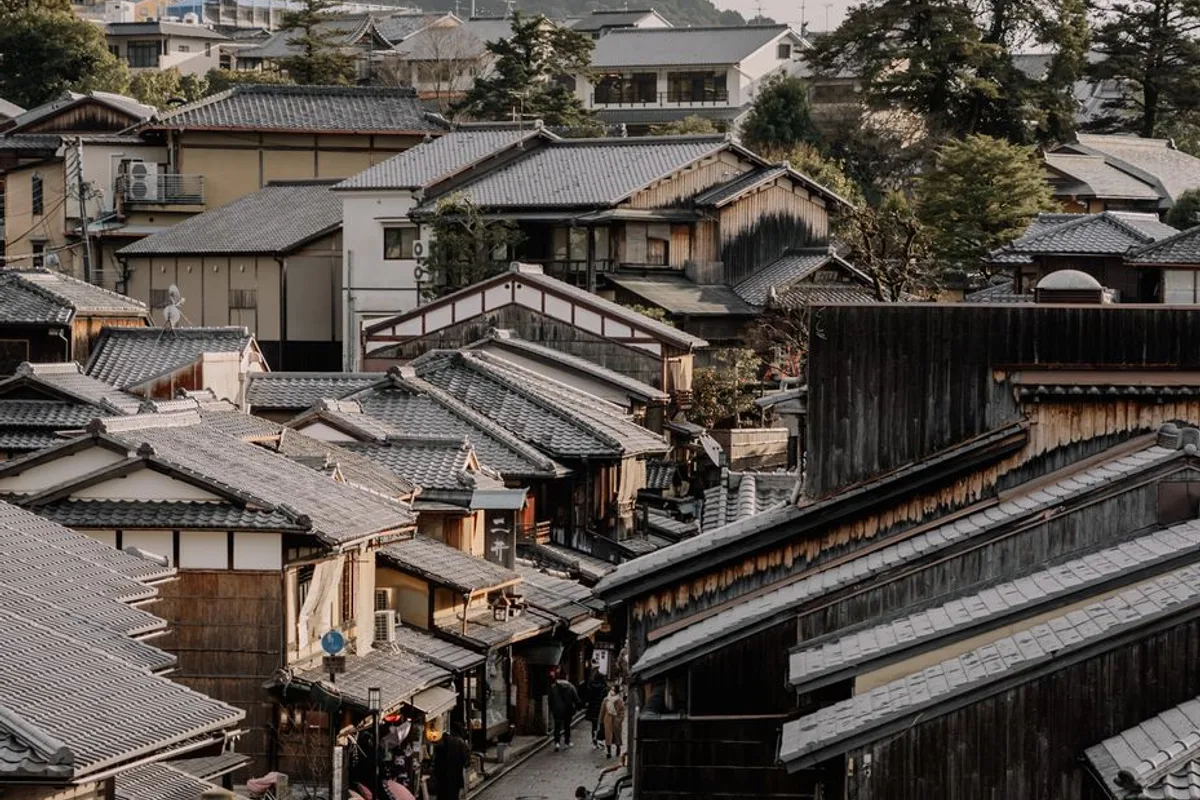
The Kawaramachi–Karasuma grid is the city's commercial centre, with covered shopping arcades, Nishiki Market, and the best transit access anywhere in Kyoto. It's plainer than the temple districts, but if you'd rather not think about transfers each morning, this is the neighbourhood to base yourself in. Nijo Castle is a short walk from its western edge.
For names: Hotel Granvia Kyoto is built directly into Kyoto Station, about as convenient as lodging gets, and the Ritz-Carlton Kyoto sits on the Kamogawa riverside a short walk from downtown proper. Ace Hotel Kyoto, in the restored Shinpukan complex near Nijo Castle, and Cross Hotel Kyoto, steps from Kawaramachi-Sanjo, cover the design-forward and comfortable mid-range ends of the same central footprint.
Higashiyama: For Atmosphere
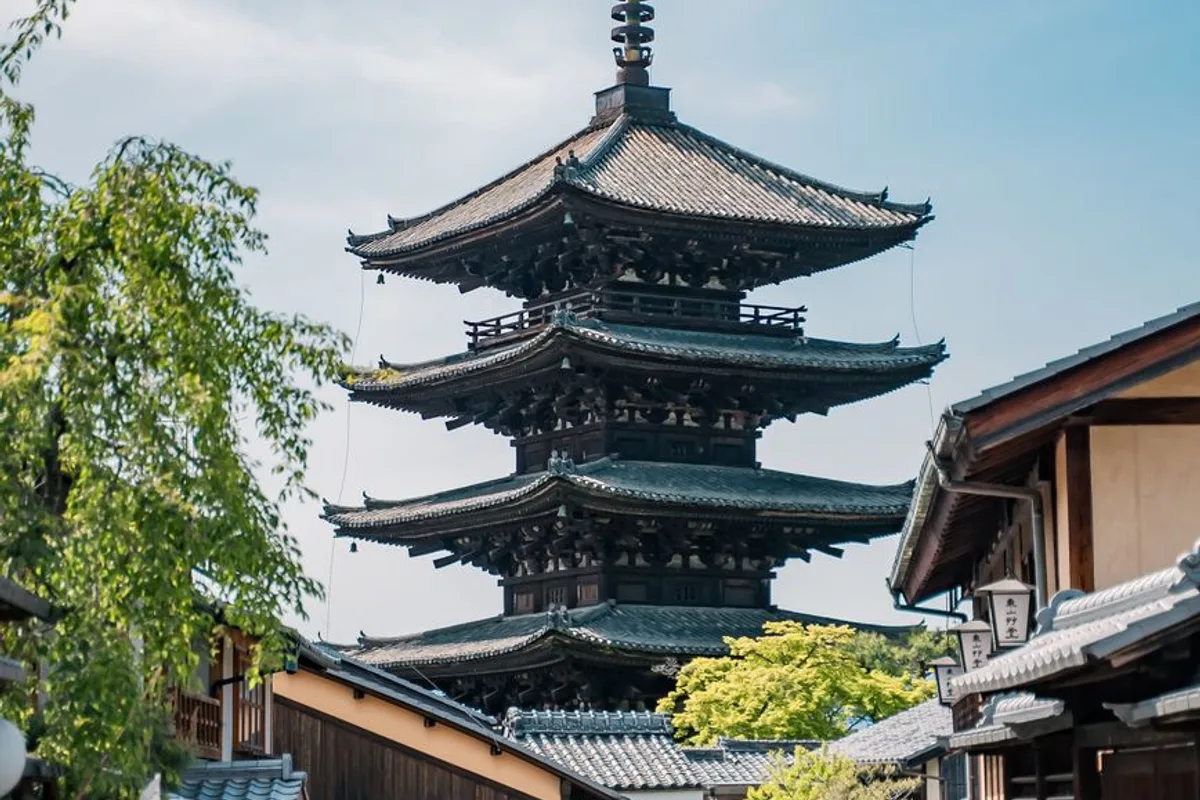
Kyoto's best-preserved historic quarter, climbing the eastern hills from Kiyomizu-dera through the wooden shopfronts of Sannenzaka and Ninenzaka toward Yasaka Shrine. It's temple-dense and photogenic at any hour, and staying here means you can walk its lanes before the day-trip crowds arrive and again after they've left.
This is where Kyoto's best-regarded luxury hotels cluster: Park Hyatt Kyoto sits right at the foot of Ninenzaka itself, and Four Seasons Kyoto and The Westin Miyako Kyoto are both a short walk further into Southern Higashiyama. All three put Kiyomizu-dera and Yasaka Shrine within easy walking distance, which is the main reason to base yourself here.
Gion & Pontocho: For Nightlife
Gion, Kyoto's most famous geisha district, is quietly formal, with wooden machiya teahouses along Hanamikoji-dori and the willow-lined Shirakawa canal. Just across the river, Pontocho's narrow, lantern-lit alley is one of the city's densest strips of kaiseki restaurants, izakaya, and riverside bars. Staying near either puts Kyoto's best evening walking and eating within a few minutes of your room.
Arashiyama & Kitayama: For Quiet
Arashiyama, built around the bamboo grove and the Katsura River, works well as a base if you'd rather have a day trip's worth of sights on your doorstep (plus quick access into the centre by train) than stay central. Kitayama, the quieter northwest around Kinkaku-ji and Ryoan-ji, sees noticeably thinner crowds than Higashiyama once you're off the main approach, at the cost of a longer ride to reach Gion or Pontocho at night.
Practical Notes
Kyoto is compact enough that no neighbourhood puts you far from the rest of the city. The real trade-off is between a temple district with a longer transit ride and a plainer base with the best connections. See the getting-around guide for how each area connects by bus, subway, and train.
Expect to pay roughly ¥6,000–10,000 a night for a budget business or capsule hotel, ¥12,000–20,000 for a comfortable mid-range double, and ¥30,000 upward (often well past ¥50,000) for a high-end hotel or ryokan. Prices climb 30–40% during cherry blossom and autumn foliage season, so book those windows early regardless of which tier or neighbourhood you're aiming for.