Landmarks
Kyoto Landmarks
The temples, shrines and palaces most visits to Kyoto are planned around, from the torii tunnels of Fushimi Inari to the gold-leafed Kinkaku-ji.
Major Sites
7 landmarks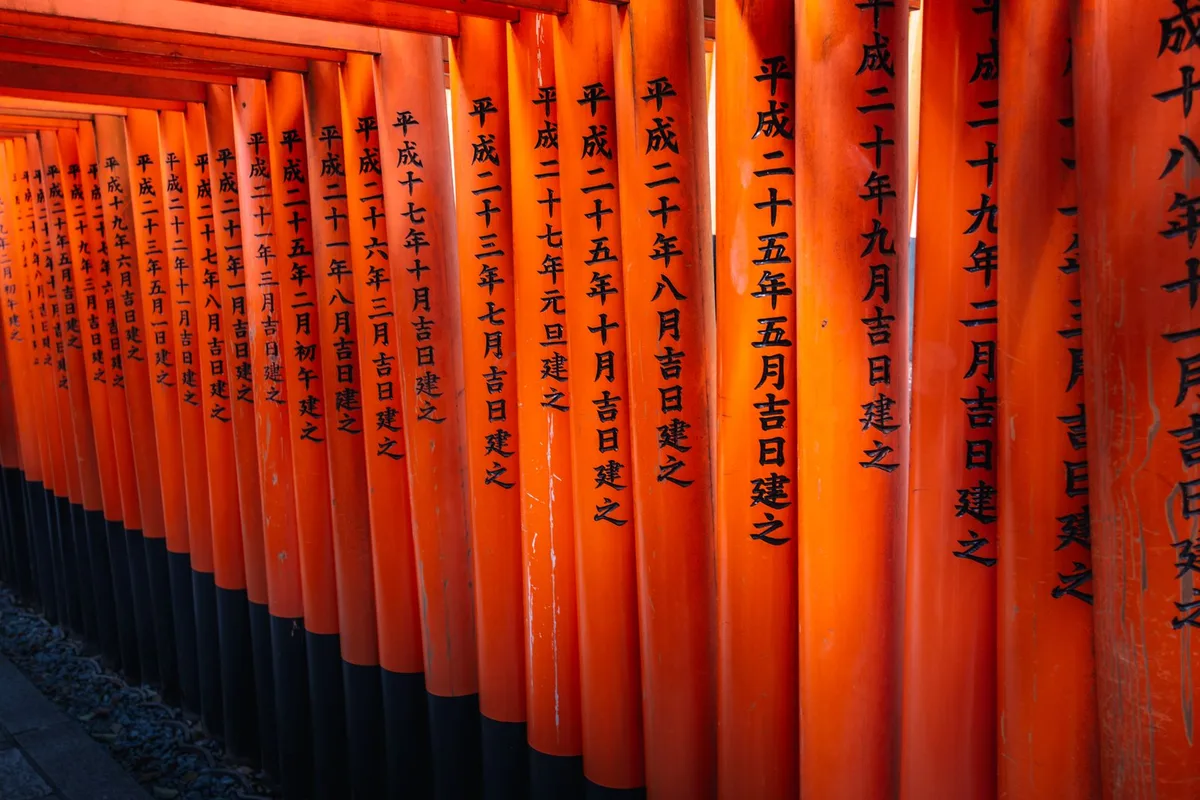
Fushimi Inari Taisha
Thousands of vermilion torii gates, each donated by a business or individual, form tunnels that climb the wooded slopes of Mount Inari. It is Kyoto's most photographed sight. The main shrine buildings are striking on their own, but the gates are the reason people come.
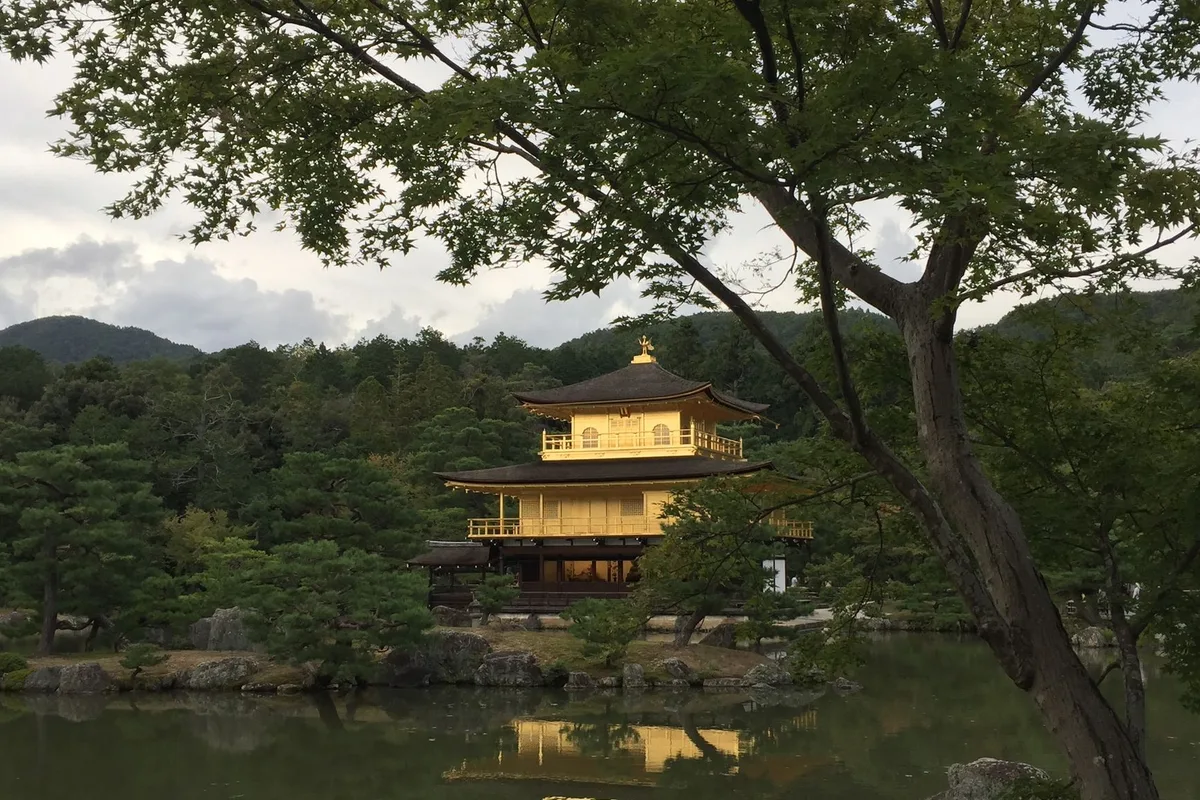
Kinkaku-ji (The Golden Pavilion)
A Zen temple pavilion whose top two floors are covered in real gold leaf, mirrored in the pond in front of it. It was rebuilt in 1955, to the same design, after a 1950 arson fire destroyed the 14th-century original. One of the most recognisable buildings in Japan.
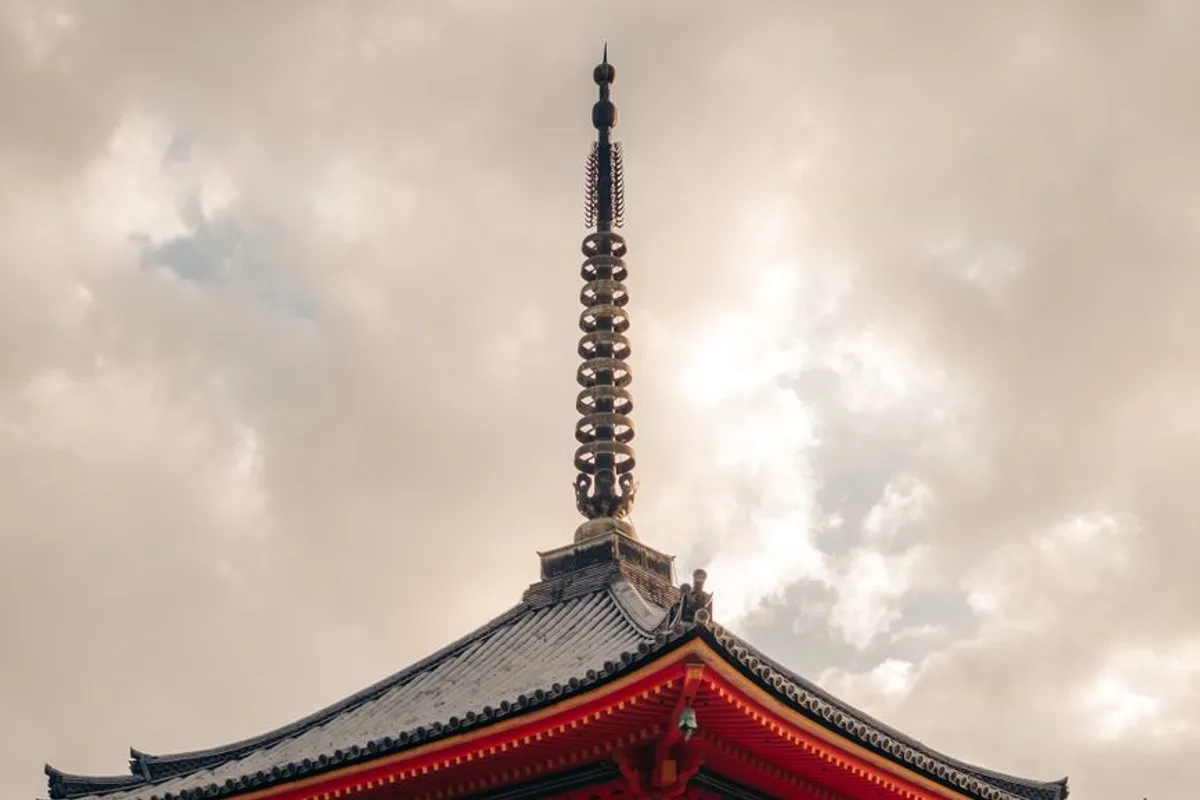
Kiyomizu-dera
A UNESCO World Heritage wooden temple built out over the hillside on a stage of huge zelkova pillars, without a single nail. It is one of the classic views of Kyoto, especially in autumn foliage or cherry blossom season. The name means "pure water," from the Otowa waterfall below the main hall.
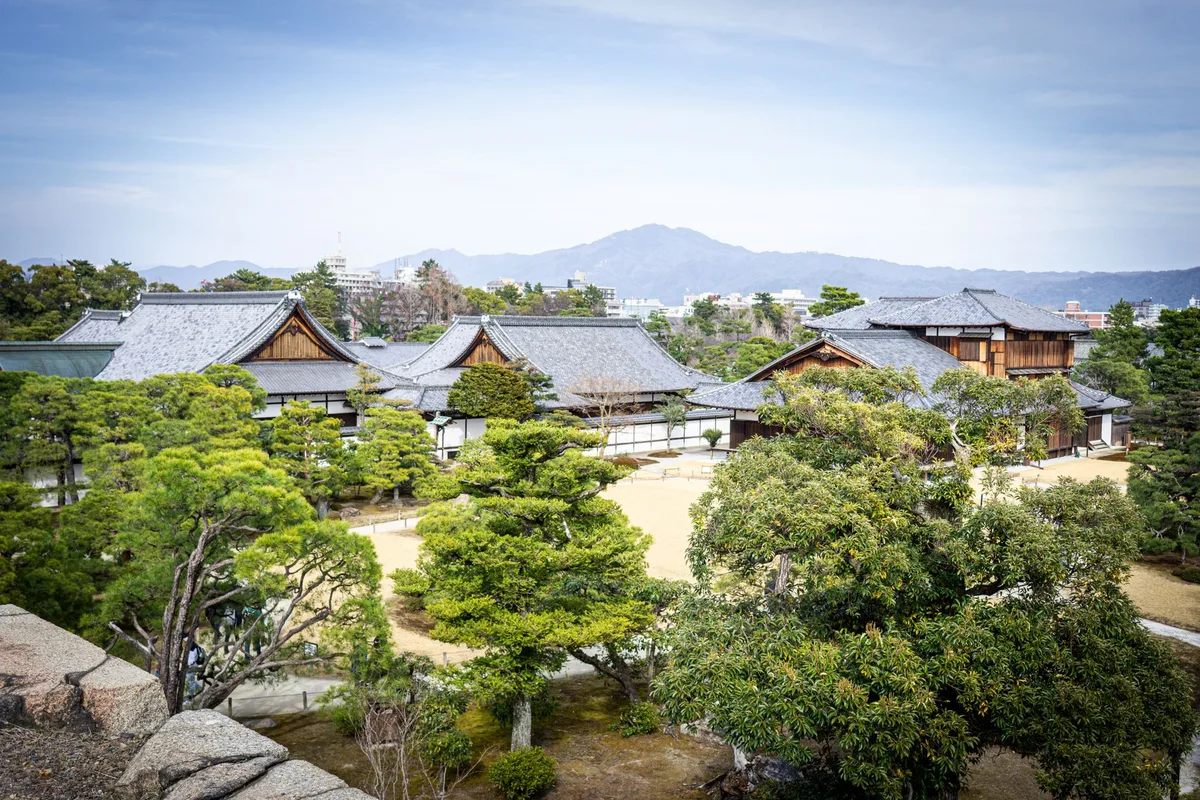
Nijo Castle
A UNESCO-listed shogunal palace whose Ninomaru Palace corridors have deliberately squeaky "nightingale floors": the boards chirp underfoot as an early-warning system against intruders. The palace's painted sliding doors and the surrounding moat and gardens are equally worth the visit.
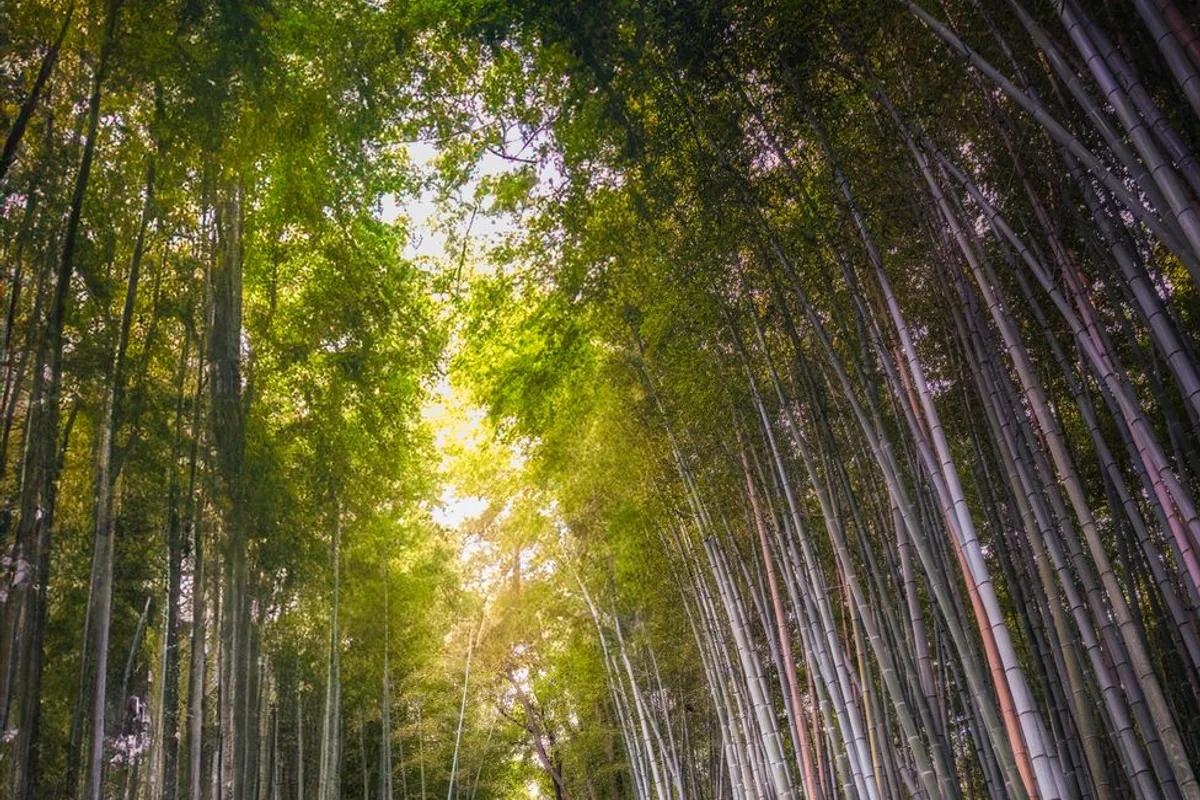
Arashiyama Bamboo Grove
A quarter-mile footpath through towering bamboo stalks that creak and sway overhead in the wind, right beside Tenryu-ji temple in western Kyoto. One of the most photographed natural sights in Japan, and free to walk any time.
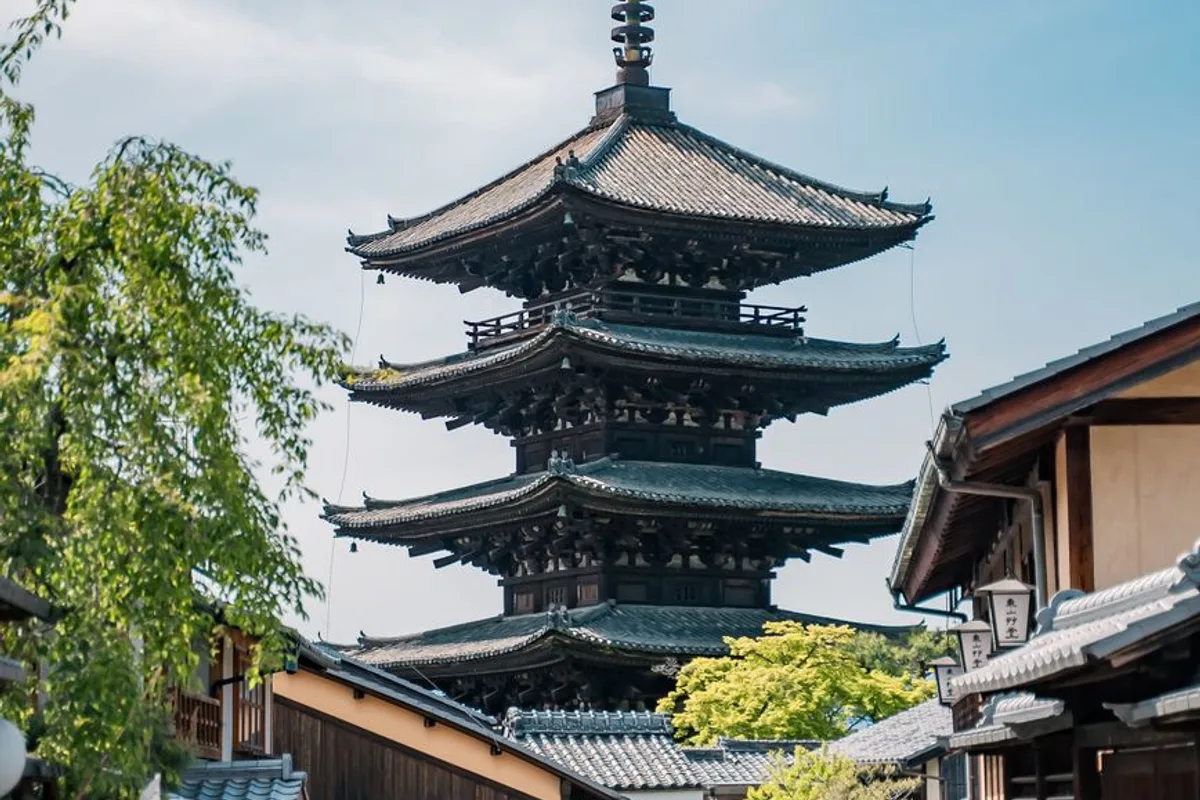
Yasaka Shrine
A vermilion Shinto shrine marking the boundary between Gion and Higashiyama, founded over 1,350 years ago and the home of the Gion Matsuri, one of Japan's most famous festivals every July. Lit by hundreds of hanging lanterns after dark.

Kyoto Imperial Palace
The former residence of Japan's Imperial family until the 1868 move to Tokyo, set inside the vast, walled Kyoto Gyoen National Garden. The Shishinden (Hall for State Ceremonies) and its raked-gravel courtyard are the centrepiece: this is where every Emperor's enthronement took place until the Meiji era. Free to walk into, no reservation required.
Book an Experience
See Kyoto With a Guide
Skip the queues and the guesswork. A knowledgeable guide brings 1,200 years of history to life in a single morning.