Neighbourhoods · 5 min read
Higashiyama, Kyoto: Kiyomizu-dera to the Philosopher's Path
Higashiyama splits into two areas, kilometres apart: Kiyomizu-dera and the sloped lanes in the south, Ginkaku-ji and the Philosopher's Path north.
By Todokyoto · Updated October 28, 2026
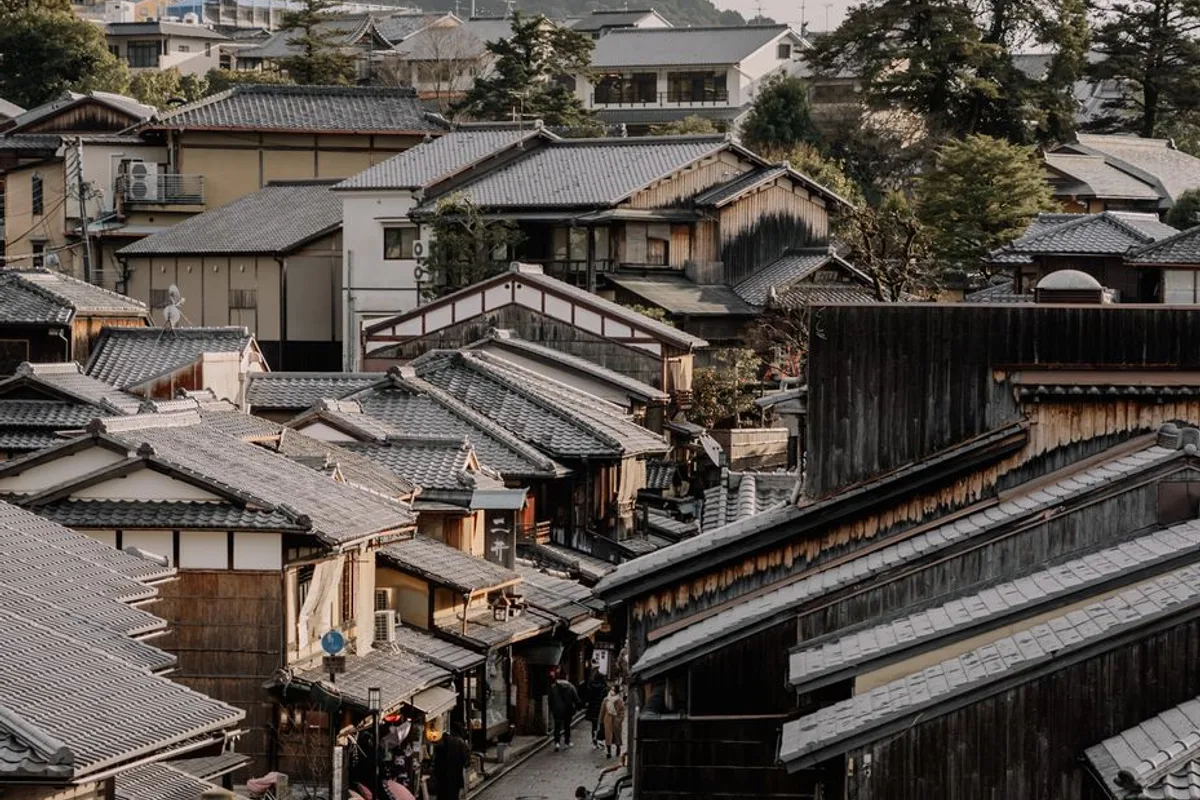
Higashiyama means "eastern mountains," and the name covers a long stretch of Kyoto's eastern hills, not one neighbourhood. Most visitors mean the southern end, Kiyomizu-dera and the sloped lanes below it, but a second, quieter cluster around Ginkaku-ji and the Philosopher's Path sits several kilometres further north, near Nanzen-ji. Treating the two as a single afternoon stop is the most common planning mistake here.
Getting There
For the southern cluster, Kiyomizu-Gojo Station on the Keihan Main Line is the standard rail approach, but it's worth knowing before you arrive that it's a steep, roughly 25-minute uphill walk from the station to Kiyomizu-dera itself, by the temple's own account. Budget the time, and wear shoes you're comfortable walking uphill in.
For the northern cluster, the Kyoto City Subway Tozai Line serves the area, but the stop names are a common source of confusion: Higashiyama Station sits near Heian Shrine and the Okazaki museum district, not near Kiyomizu-dera despite the shared name. For Nanzen-ji specifically, Keage Station, one stop further, is the closer one, about a 7–10 minute walk. See Getting Around Kyoto for fares and passes.
Southern Higashiyama: Kiyomizu-dera and the Sloped Lanes
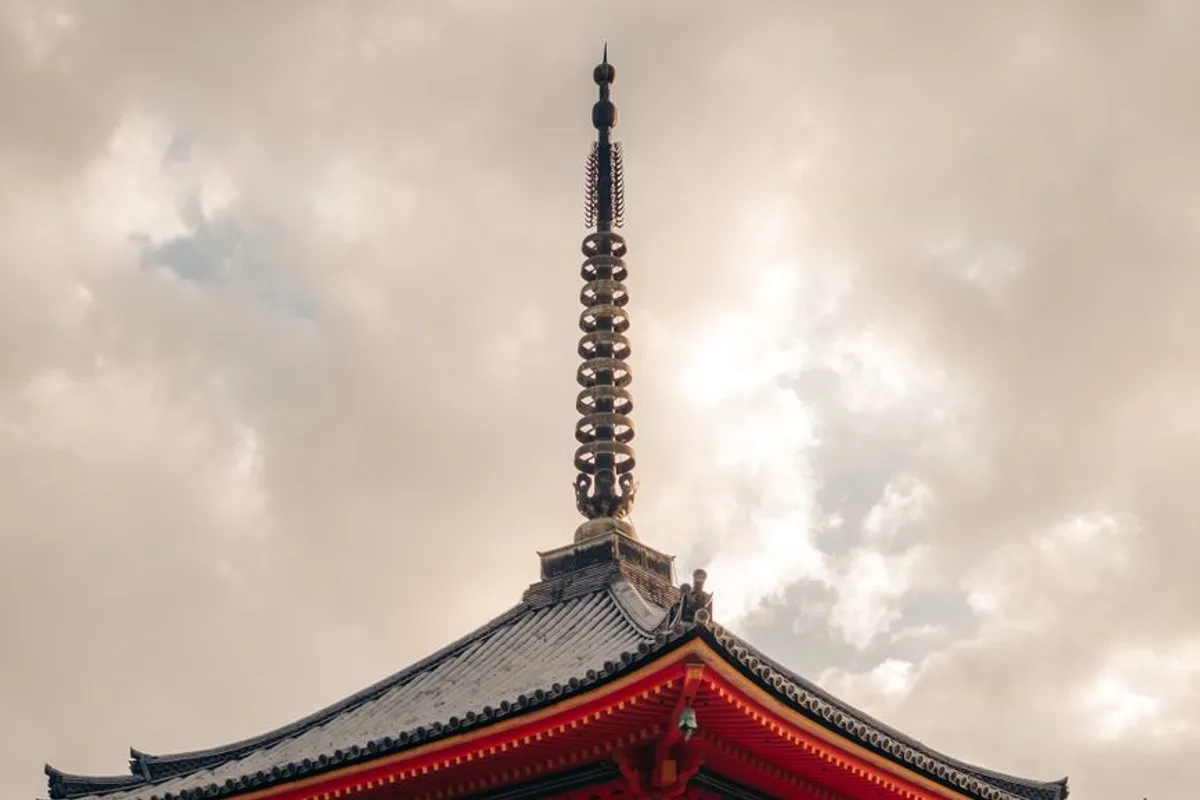
Kiyomizu-dera is a UNESCO World Heritage wooden temple built out over the hillside on a stage of huge pillars, assembled without a single nail. It's open roughly 6:00am to 6:00pm, with extended hours during seasonal night illuminations, and admission runs around ¥500. It's also one of Kyoto's busiest sights, so arrive at opening if crowds matter to you.
The approach lanes, Sannenzaka and Ninenzaka, are free, open public streets lined with wooden shopfronts and teahouses. Sannenzaka was the first area in Kyoto designated a national Important Preservation District for Groups of Traditional Buildings, back in 1972, which is why the streetscape has stayed largely intact. There's no ticket or gate for the lanes themselves; individual shops set their own hours.
Kodai-ji
A short walk from Sannenzaka, Kodai-ji keeps regular hours of roughly 9:00am to 5:30pm, last admission around 5:00pm. In spring, summer, and autumn it stays open for evening illuminations, with last admission extending to around 9:30–10:00pm, but that extended opening is typically priced and ticketed separately from standard daytime admission, which is most commonly reported around ¥600. Check current pricing before you go; some seasonal listings quote a higher rate tied specifically to the evening event, not the standing daytime price.
Kimono Walks Through the Lanes
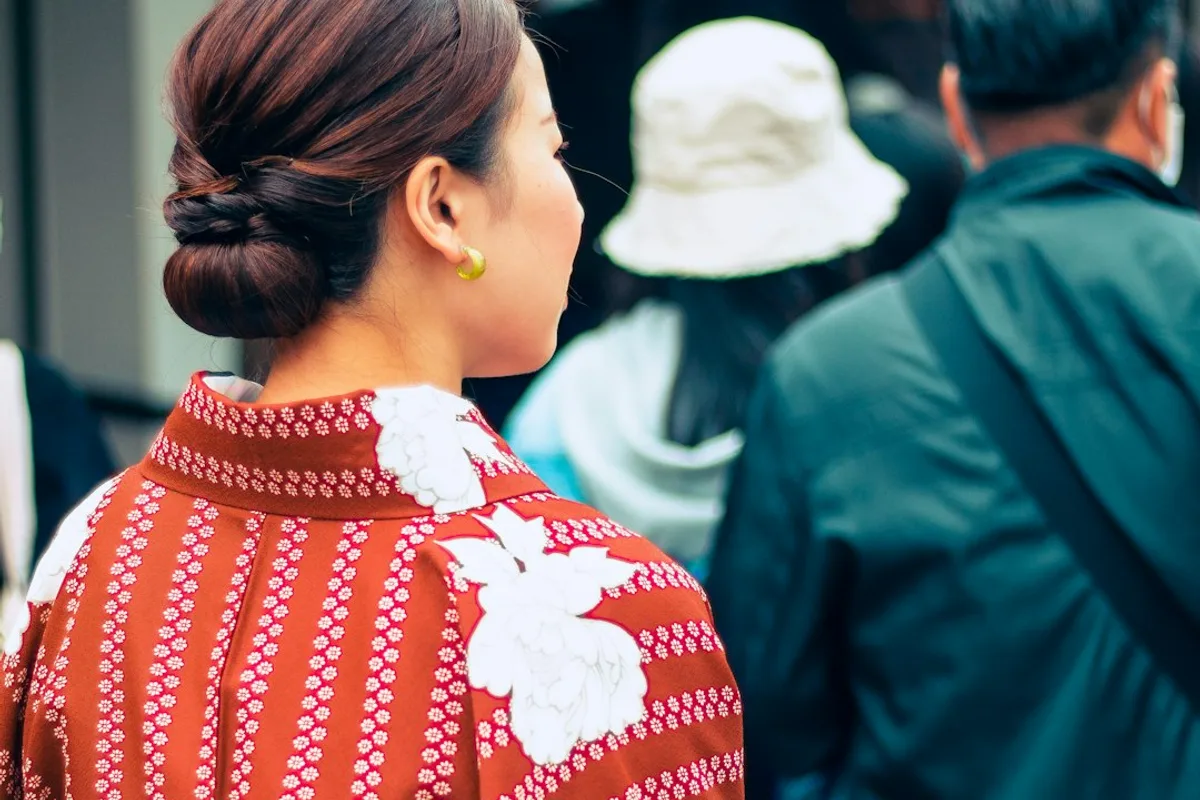
Rental shops cluster near Kiyomizu-dera, and walking the Higashiyama lanes in a rented kimono or yukata is one of the most photographed things to do in Kyoto. Kimono rental typically covers the outfit, obi, and basic accessories for a full day, with hair styling as a common add-on. Book same-day or a day ahead most of the year; cherry blossom and autumn foliage weekends get busy enough to need more notice. If you want a photo of someone else in kimono, ask first: the etiquette is the same as photographing any stranger, just more tempting here than most places.
Yasaka Shrine, at Gion's Edge
Yasaka Shrine sits right at the boundary between Higashiyama and neighbouring Gion: free, open 24 hours, and leading directly into Maruyama Park. It's covered in depth, along with the district it actually belongs to, in the Gion guide.
Northern Higashiyama: Ginkaku-ji and the Philosopher's Path
Ginkaku-ji, the Silver Pavilion, keeps hours of 8:30am to 5:00pm from March to November and 9:00am to 4:30pm from December to February, open daily. Admission is ¥500 for adults, ¥300 for children through junior high. From its gate, the Philosopher's Path runs alongside a canal toward Nanzen-ji: a free, quiet walk lined with cherry trees that draws a fraction of the crowds the temples themselves do.
Nanzen-ji and the Aqueduct
Nanzen-ji's main grounds, including its massive Sanmon gate exterior and the red-brick Lake Biwa Canal aqueduct that runs straight through the temple precinct, are free to enter. Its Hojo Garden, the Sanmon Gate's upper level, and several sub-temples each charge separate admission, most recently reported around ¥600 apiece; older listings quote a lower figure, so treat that number as approximate. Regular hours run 8:40am to 5:00pm (March–November) and 8:40am to 4:30pm (December–February), with the temple closed December 28–31.
Eating in Higashiyama
Near Gion, in the southern cluster, Tousuiro serves yudofu kaiseki (simmered tofu built into a full course meal) in a traditional townhouse, roughly ¥3,500–8,000 depending on the set, with reservations recommended for dinner. Near Ginkaku-ji, in the north, Omen does one dish well: thick handmade udon with a warm dipping broth, around ¥1,300–1,800, casual and usually walk-in outside peak season (closed Wednesdays). More on both traditions in the Kyoto food guide.
Kyoto National Museum
Between the two clusters, the Kyoto National Museum covers Japanese art and antiquities from a Meiji-era brick building and a modern wing. It's open 9:30am–5:00pm most days, extending to 8:00pm on Fridays and Saturdays, closed Mondays (except when Monday is a national holiday, in which case it closes the following Tuesday instead). Standard admission is around ¥700.
How Long to Allow
Treat the north and south as separate half-days rather than one long one. Southern Higashiyama (Kiyomizu-dera, the lanes, Kodai-ji) fills a morning or afternoon comfortably on its own. The walk between stations and uphill approaches involves real stairs and slopes; if mobility or stamina is a concern, budget more time and more rest stops than a flat city walk would need.
Practical Notes
- Arrive at opening for Kiyomizu-dera if you want to avoid both the crowds and the tour buses.
- Carry cash: smaller temples and teahouses don't always take cards.
- Stone lanes and temple approaches can be uneven and slippery when wet; plan footwear accordingly.
- Rubbish bins are scarce, as throughout Kyoto. Carry your rubbish with you.
Build Your Itinerary
Build a day-by-day Kyoto itinerary filtered by pace, focus and neighbourhood, covering landmarks, museums, food and nightlife.