Practical · 3 min read
Temple & Shrine Etiquette in Kyoto: What to Know Before You Go
How to behave at Kyoto's temples and shrines: the purification ritual, torii gate manners, photography rules, and basic visitor conduct.
By Todokyoto · Updated September 16, 2026
Passing Through a Torii Gate
A torii gate marks the threshold into a shrine's sacred grounds, at Fushimi Inari Taisha, Yasaka Shrine, and every other Shinto site in the city. A small bow before passing through is the customary sign of respect, on the way in and the way out, and tradition holds that the centre of the path is reserved for the gods, so walk slightly to one side rather than straight up the middle.
The Purification Ritual
Most shrines have a water basin (temizuya) near the entrance for temizu, a simple hand-and-mouth purification before approaching the main hall. Take the dipper in your right hand, rinse your left hand, then switch hands and rinse your right; pour a little water into your left hand to rinse your mouth (never drink straight from the dipper); rinse your left hand again, then tip the dipper upright so the remaining water runs down the handle to clean it before setting it back down.
Photography
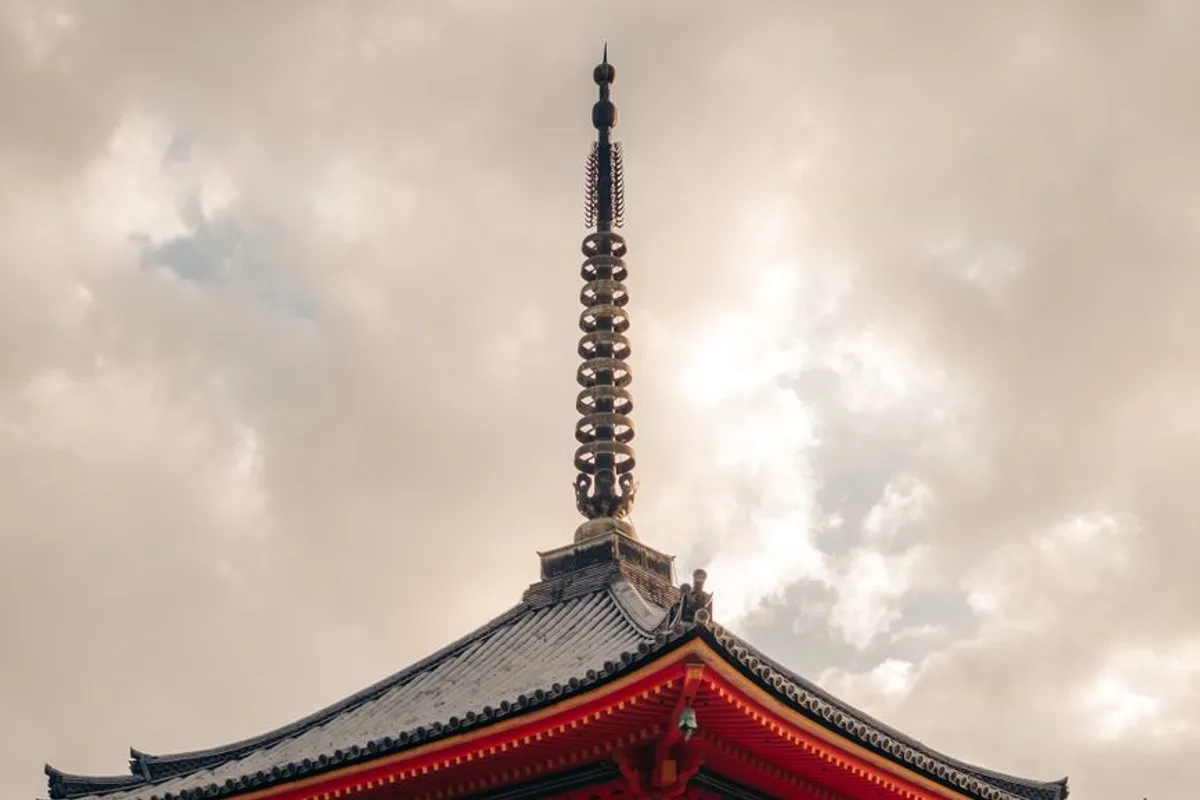
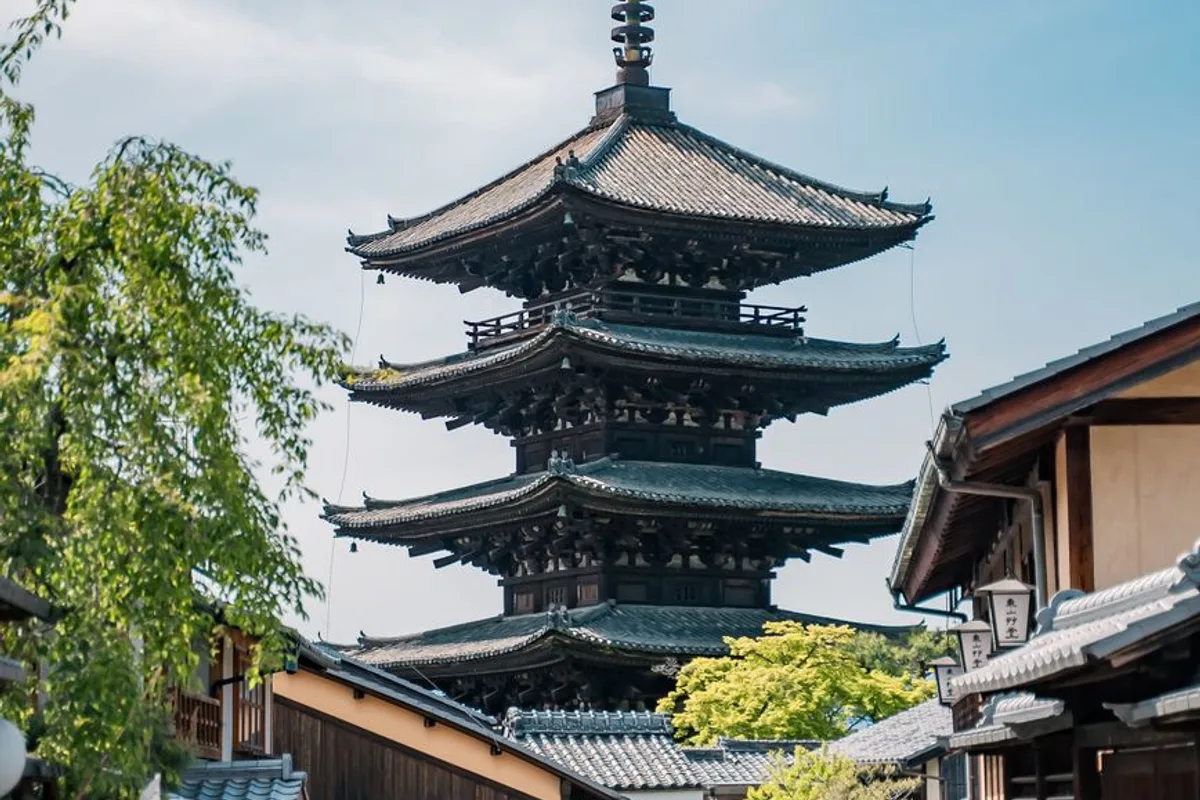
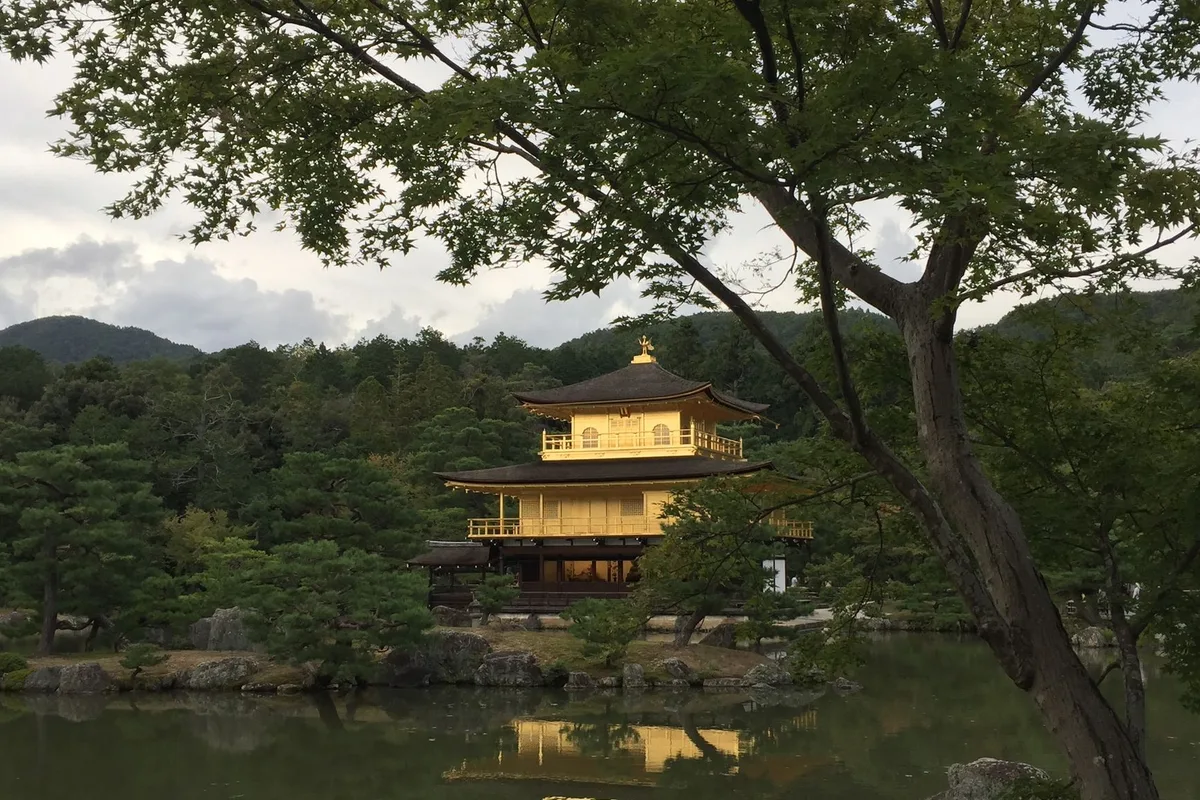
Photos of the grounds, buildings, and torii gates themselves are almost always fine at both temples and shrines, which is one reason places like Kinkaku-ji and Kiyomizu-dera draw photographers from everywhere. Inside halls and sacred buildings is a different matter: photography is often restricted or banned outright, flash is discouraged even where photos are allowed, and areas marked off-limits or mid-ritual are never fair game. Look for signage, or ask a member of staff when unsure.
Praying at the Main Hall
Shrines and temples follow different conventions, and the two are easy to mix up. At most Shinto shrines, the common sequence at the main hall is: a small bow, an offering of a coin into the box, two bows, two claps, a silent moment, then a final bow. If the shrine has a bell, ring it first, before the offering. A handful of shrines use a different count (Izumo-affiliated shrines, for instance, use four claps rather than two), so it's worth a glance at any posted guidance before assuming the standard sequence applies.
At Buddhist temples, there's no clapping. A quiet bow, or hands pressed together (gassho), is the usual gesture, sometimes alongside a coin offering. Where a temple has an incense burner (jokoro) in front of the hall, visitors commonly light incense, then waft the smoke toward themselves before approaching. The practice is tied to purification rather than anything decorative.
Neither sequence is obligatory for a visitor who isn't praying. Pausing respectfully while others do is entirely appropriate.
General Conduct
Keep your voice down, especially inside halls where people are praying. A shrine or temple is an active place of worship, not only a sightseeing stop. Some sites ask visitors to remove shoes before entering wooden interiors; follow whatever the other visitors around you are doing if signage isn't in English. Traditional guidance holds that visiting while seriously unwell or in mourning is best avoided, out of respect for the site rather than as a hard rule enforced on tourists.
Before You Go
None of this requires special preparation. Arrive with a few minutes to spare, watch what regular visitors do at the purification basin if it's your first time, and treat the grounds the way you'd want a guest to treat somewhere quietly important to you. That's enough to make you a welcome visitor rather than a disruptive one.